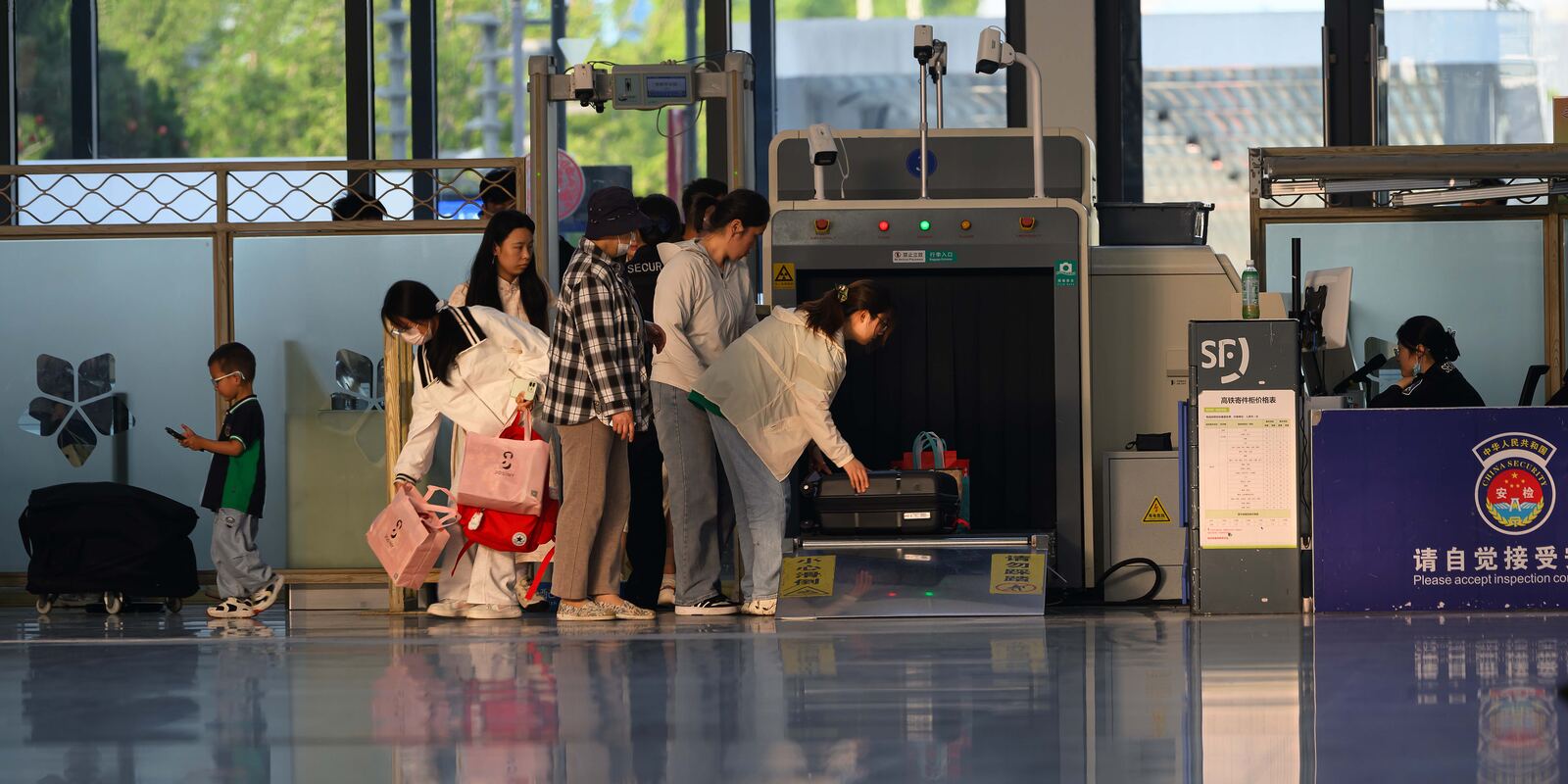
Every generic "cruise packing list" article has a two-line footnote about not bringing weapons or candles and calls it done. That's not enough, because banned items are the one part of cruise planning where getting it wrong doesn't just mean an annoyance — it means a security officer pulls your bag aside at the terminal, and depending on what they find, you either lose the item for the week or lose your boarding pass entirely.
The bigger problem: the rules aren't the same across cruise lines. Royal Caribbean banned all power strips in 2024 — Carnival, Princess, and NCL still allow non-surge ones. Norwegian bans every door decoration; other lines allow magnetic ones. Below are the 15 items that cause the most confusion, what actually happens if security finds them, and what to bring instead.
Fire-risk items (banned almost universally)
This category gets the strictest, most consistent enforcement across every major line, because it's tied to onboard fire safety systems, not preference.
| Item | Banned by | Why | If found at security |
|---|---|---|---|
| Clothing irons & garment steamers | All major lines | Fire risk; cabins aren't wired for the load | Confiscated, held until debarkation |
| Candles & incense (even unlit/decorative) | All major lines | Open flame / smoke risk | Confiscated, held until debarkation |
| Surge-protected power strips | All major lines | Surge protector circuitry is a documented fire hazard on ship wiring | Confiscated, held until debarkation |
| Extension cords with surge protection | All major lines | Same as above | Confiscated, held until debarkation |
| Multi-plug outlet adapters | Royal Caribbean (outright ban, 2024 update); other lines vary | Treated the same as a power strip | Confiscated, held until debarkation |
What to bring instead: a non-surge power strip is still allowed on Carnival, Princess, and NCL — check your line before buying one specifically for the trip. Royal Caribbean guests should pack a multi-port USB charging block instead; cabins have limited outlets but usually 1-2 USB ports built in. Skip the iron entirely — most ships offer a paid pressing/laundry service, and a small bottle of wrinkle-release spray handles the rest.
A multi-port USB charging block (no surge protector, no prongs to confiscate) is the one item that quietly avoids three separate bans on this list. [Replace this box with your actual Amazon Associates link once approved.]
Example: Non-surge USB charging hub →Weapons, drugs & anything that gets you denied boarding
This is the category where the consequence isn't "you lose the item" — it's "you don't get on the ship, or you're removed from it mid-cruise and handed to port authorities." Cruise lines have zero tolerance here and no line-to-line variation worth mentioning.
| Item | Banned by | Why | If found at security |
|---|---|---|---|
| Firearms, ammunition & realistic replicas | All lines, zero exceptions | Federal maritime law and ship security policy | Confiscated and reported; boarding denied |
| Knives with blades over 2.5 in (6.35 cm), or any fixed blade | All lines | Classified as a weapon at security screening | Confiscated, held until debarkation (best case) or denied boarding |
| Illegal drugs, including marijuana (even with a state medical card) | All lines, all ports — marijuana is federally illegal regardless of state law | Ships are U.S.-flagged/registered under federal and international maritime law | Confiscated and handed to port authorities; can mean removal from the cruise |
| CBD products (oils, gummies, creams) | All lines | Can't be reliably distinguished from THC products at screening | Confiscated; some lines report to authorities depending on port |
What to bring instead: if you carry a small pocketknife for daily use, leave it home or pack it in checked luggage only if your line's policy explicitly allows a blade under the limit — don't gamble with a borderline blade at the terminal. For pain or sleep aids, use standard over-the-counter or prescription medication in original packaging instead of CBD.
Electronics & gadgets that seem harmless but aren't
This is the fastest-changing category — most of these bans didn't exist five years ago, and they exist now specifically because of incidents on recent sailings.
| Item | Banned by | Why | If found at security |
|---|---|---|---|
| Drones | Banned from being flown on every line; NCL bans even carrying one onboard | Flight-deck and safety-zone interference near the ship | Confiscated or held by security for the cruise, line-dependent |
| Hoverboards, e-skateboards & self-balancing scooters | All major lines (Princess, Royal Caribbean, Carnival) | Lithium battery fire risk — same category that gets these banned from airlines too | Confiscated, held until debarkation |
| Smart glasses with built-in cameras | Royal Caribbean (2026 policy update, enforced in pools/spa areas); other lines increasingly following | Privacy — covert recording in changing areas and pools | Asked to store away or leave in cabin; not always confiscated outright |
| Walkie-talkies | Norwegian Cruise Line bans them outright; Royal Caribbean allows them | Interferes with ship communication frequencies on some lines | Confiscated on lines that ban them |
| Door decorations using tape or adhesive | Norwegian bans all door decorations, including magnetic; most other lines allow magnets only, never tape | Cabin doors are fire-rated and tape/adhesive can damage the coating | Removed by cabin steward, not usually confiscated |
What to bring instead: for photos and video, a small point-and-shoot or your phone covers everything a drone would — you can't legally fly one off the ship anyway, on any line. For cabin door decor, stick to magnetic-only decorations (the door is metal) and check your specific line's current policy before buying anything with adhesive backing.
Magnetic cabin door decorations and a compact point-and-shoot camera are two of the few "extra" purchases that are actually allowed everywhere and genuinely useful — worth comparing options before your sail date rather than buying at the last minute in the terminal gift shop.
Example: Magnetic door decor kit →Alcohol, coolers & the two most commonly broken rules
These aren't outright bans — they're limits that get misunderstood constantly, and "confiscated and returned at the end of the cruise" is the most common outcome.
| Item | Typical limit | Why | If found at security |
|---|---|---|---|
| Alcohol beyond your line's per-cabin allowance | Royal Caribbean: one sealed 750ml bottle of wine/champagne per guest of legal age; boxed wine and liquor banned outright on most lines | Onboard bars are the line's main non-cruise-fare revenue source | Excess bottles confiscated, held and returned at the end of the cruise, or discarded — line-dependent |
| Large hard-sided or wheeled coolers | Small soft-sided personal coolers are generally fine; large hard coolers (the kind you'd bring to a tailgate) are not | Used historically to smuggle large amounts of alcohol aboard | Turned away at the terminal or confiscated for the cruise |
What to bring instead: a small soft-sided cooler bag for snacks and canned drinks (within your line's beverage allowance, typically up to 12 cans per stateroom) clears security without issue on every major line. If you want wine for a special dinner, bring exactly one sealed bottle per adult and expect a small corkage fee if you drink it outside your cabin.
The bottom line
Five of these bans are non-negotiable everywhere — irons, candles, weapons, illegal drugs, and hoverboards. The rest genuinely depend on which cruise line you're sailing, which is exactly why the generic packing lists get this wrong: they average out five different companies' rules into one vague warning. Pull up your specific line's prohibited items page the week before you sail, not the day of — some of these policies (power strips, smart glasses, door decorations) changed within the last two years and keep changing.