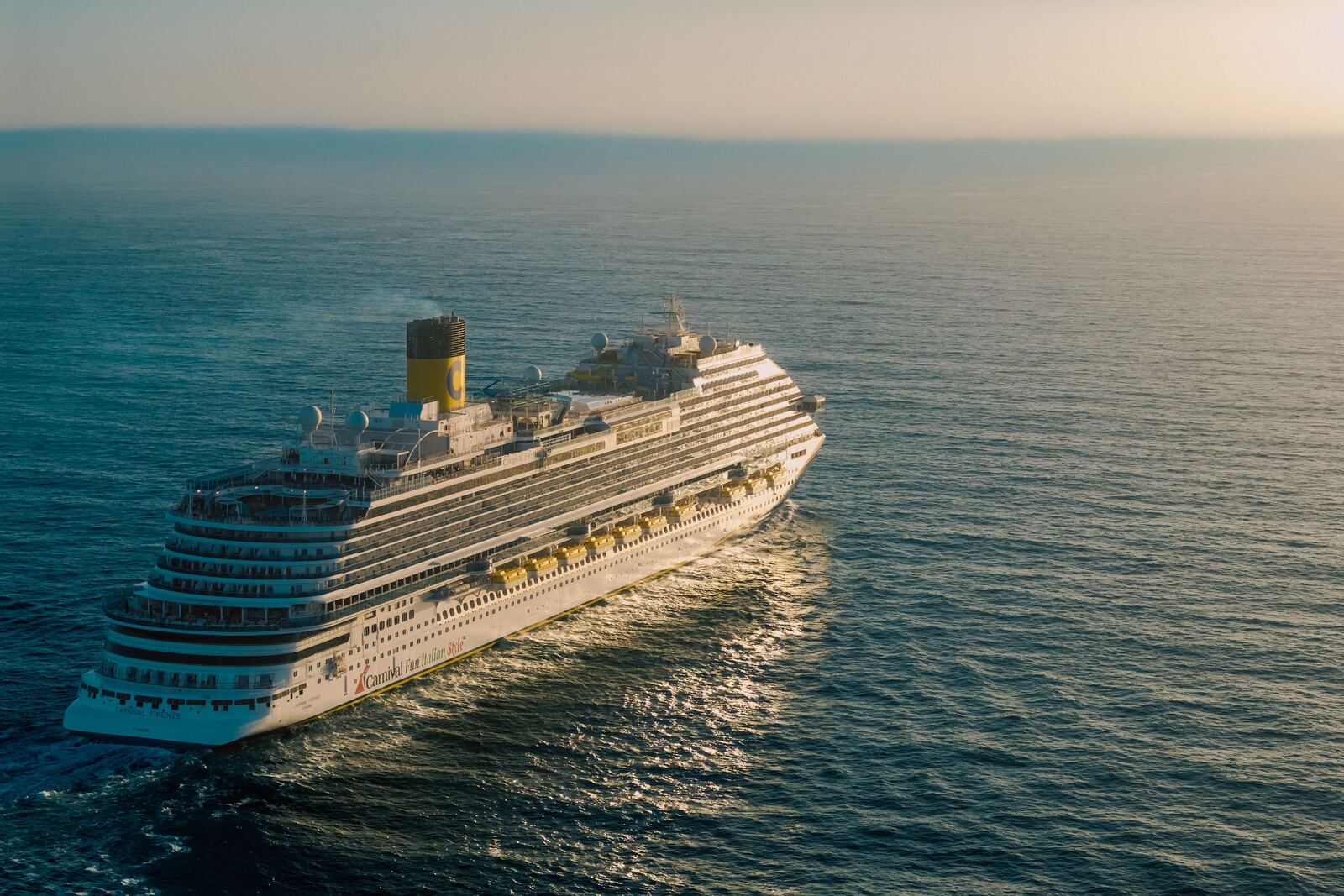
The deck plan makes every cabin look the same size, roughly the same price bracket, and equally close to "everything." It isn't. Two cabins on the same deck, twenty feet apart, can be the difference between a quiet week and a week of listening to deck chairs scrape overhead at 6 a.m. Cabin location affects three things: noise, motion, and how far you'll walk to dinner — and only one of those three is usually mentioned when a travel agent is upselling a "better" cabin.
Why location matters more than cabin category
Cruise lines price cabins mostly by category (inside, ocean view, balcony, suite) and deck height, not by what's directly above, below, or next door. That means a "premium" balcony cabin can sit directly beneath the jogging track or the buffet's rear service doors, while a cheaper inside cabin one deck down and thirty feet forward is dead silent. The deck plan shows you this if you know what to look for — most people don't check before booking.
Motion: midship and lower-to-mid decks feel it least
A ship pivots around its center of gravity, which sits roughly midship and low in the hull. Cabins forward or aft of midship swing through a wider arc in rough seas — forward cabins pitch (nose up and down) more noticeably, aft cabins both pitch and pick up more engine vibration. Cabins high up on the ship, even midship, feel more side-to-side sway because they're farther from that pivot point. For anyone prone to seasickness, a lower-deck, midship cabin is consistently the calmest combination, though "lower deck" doesn't mean the very lowest passenger deck, which can be noisier from engine and thruster sound.
| Location | Motion | Typical noise risk |
|---|---|---|
| Midship, lower-mid deck | Least motion | Low, unless directly under a public space |
| Forward | More pitching in rough seas | Anchor chain noise on the lowest forward cabins during arrival/departure |
| Aft | More vibration from engines/propulsion | Generally quiet from other passengers, but can hum mechanically |
| Highest passenger decks | Most side-to-side sway | Pool deck and sports court noise directly overhead is common |
Cabins to specifically avoid
A few positions come up again and again in cruiser feedback across most major lines:
- Directly below the pool deck or lido buffet. Deck chairs being dragged before dawn and after-hours cleaning crews are the most commonly reported complaint.
- Directly below or beside a nightclub, disco, or late-night lounge. Bass frequencies travel through structure far more than voices do, and these venues often run past midnight.
- Below the basketball or sports court. Bouncing balls on a hard court transmit clearly to the deck below.
- Next to crew stairwells or laundry chutes. These aren't always marked clearly on public deck plans, but door slams and cart wheels are a recurring theme in cabin reviews near them.
- Very lowest forward cabins. Anchor chain noise during anchoring or port arrivals can be loud and sudden even if the rest of the cruise is quiet.
Looking up recent cabin-specific reviews for the exact cabin number you're considering — not just the category — takes a few minutes and catches most of these problems before they become a week-long annoyance. [Replace this box with your actual cruise cabin review tool or booking affiliate link once approved.]
Example: Look up cabin-specific reviews before booking →What actually matters less than people assume
Distance to the dining room or elevators is a real convenience factor, but it's a minor one compared to noise and motion — a two-minute-longer walk to dinner is forgettable by day two, while a cabin under a nightclub is not. Deck height alone (higher deck number) is also a weaker signal than most people assume; a high deck that's midship and away from public venues can be quieter than a low deck positioned under a busy space.
Most lines allow a cabin change for a fee, or free within a short window after booking — checking your line's specific cabin-change policy before final payment is due protects you if you spot a problem after booking. [Replace this box with your actual travel insurance or booking-protection affiliate link once approved.]
Example: Compare booking protection and cabin-change policies →The bottom line
Pick midship and a lower-to-mid deck if motion sensitivity is a concern, and always check the deck plan for what sits directly above, below, and beside a specific cabin before booking it — not just its category and price. That five-minute check prevents the single most common cabin regret: a nice cabin ruined by a noisy neighbor you can't see, on the deck above.