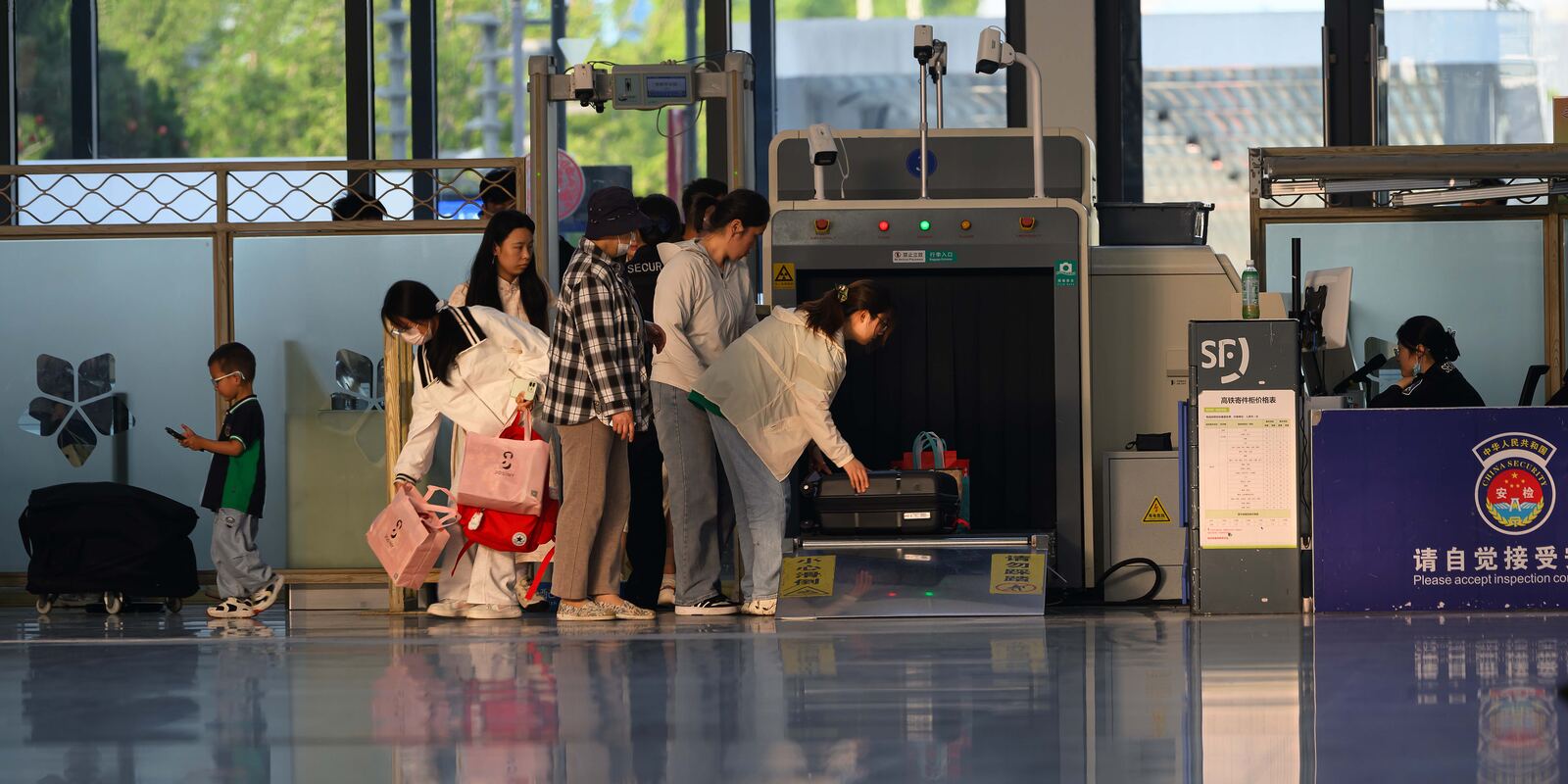
Someone packs a travel iron to touch up a formal-night shirt, it gets pulled at the security checkpoint on embarkation day, and it's confiscated on the spot — sometimes with no warning it was coming. This is one of the most common first-time-cruiser surprises, and it comes down to one thing: fire risk in an enclosed space at sea, where evacuation options are far more limited than in a hotel.
Why irons and steamers are banned
Cabins are small, cruise ships carry thousands of people with limited evacuation routes compared to a building on land, and a heating appliance left plugged in and unattended — even briefly — is a genuine fire risk that safety regulators and cruise lines treat seriously. This is why the ban applies to travel irons, standard clothes steamers, and similar heating devices across virtually every major line, regardless of how compact or "travel-safe" the product is marketed as being. It isn't an inconsistently enforced suggestion; it's checked as part of standard embarkation-day security screening, the same way ports scan for other prohibited items.
What's allowed instead
| Item | Status | Alternative |
|---|---|---|
| Travel iron / clothes iron | Banned on nearly every line | Pack wrinkle-resistant fabrics, or use the ship's self-service laundry (where available) which often includes a supervised iron |
| Handheld garment steamer | Banned on nearly every line | Hang clothes in the bathroom during a hot shower to relax light wrinkles |
| Standard multi-outlet extension cord / power strip | Banned if it lacks surge protection | A surge-protected power strip without a spare outlet loophole is typically allowed — check your specific line's current policy |
| CPAP machine, phone chargers, hair dryers (personal) | Generally allowed | No substitute needed; these are treated differently from heating/pressing appliances |
Self-service laundry is the real workaround
Many ships offer a self-service laundry room with coin- or card-operated washers, dryers, and — on a number of ships — a supervised iron and ironing board available for guest use in that same space. This satisfies the actual need (pressing a shirt for formal night) without the safety issue, since it's a fixed, supervised appliance rather than one left unattended in a cabin. Checking whether your specific ship has this amenity before sailing is worth doing if formalwear is part of the trip.
Wrinkle-resistant travel fabrics and packing cubes that keep formalwear from creasing in the first place solve this more reliably than hoping an iron makes it through security. [Replace this box with your actual travel gear/packing affiliate link once approved.]
Example: Compare wrinkle-resistant travel clothing →What happens if one is found
Policies vary slightly by line, but the standard practice is confiscation at the embarkation security checkpoint, with the item typically held by security and returned at the end of the cruise during disembarkation — not permanently kept, though this isn't guaranteed on every line. It's treated as a routine security process rather than a punishment, but it does mean losing access to the item for the entire cruise, which is worth knowing before deciding whether to risk packing one.
Banned-item lists are updated periodically and differ slightly by cruise line, so checking your specific line's current prohibited-items list a week or two before sailing avoids any last-minute surprises at the pier. [Replace this box with your actual packing checklist tool affiliate link once approved.]
Example: Check current banned-item lists by cruise line →The bottom line
Irons and clothes steamers are banned fleet-wide for a consistent, genuine fire-safety reason, and embarkation security screening catches them routinely — this isn't a rule worth testing. Wrinkle-resistant fabrics, a steamy bathroom, or the ship's self-service laundry room (where available) solve the actual problem without the risk of losing the item at the pier.