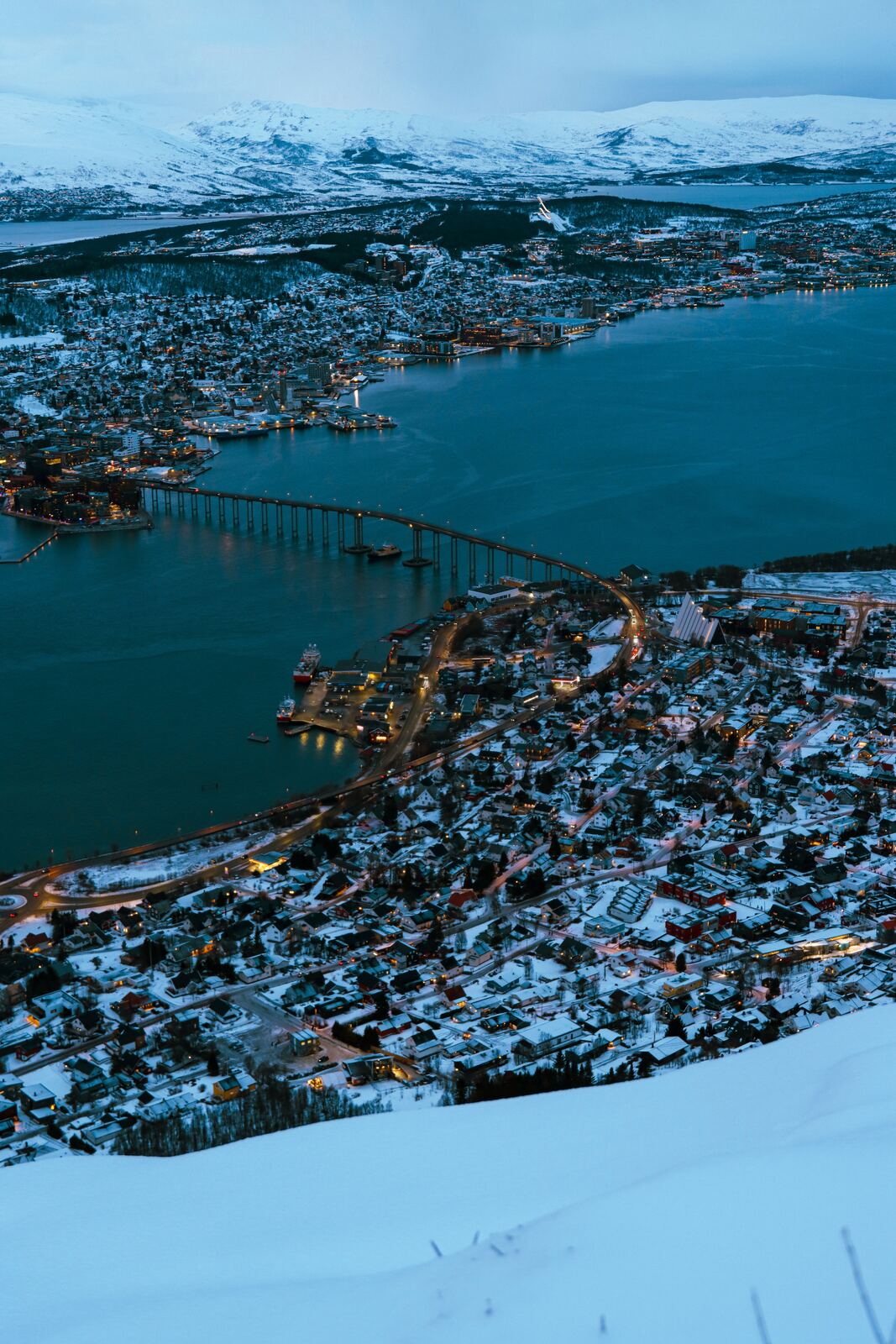
There's a particular kind of traveler who books a Norwegian Fjords cruise and then, somewhere around the third glass of wine on the Lido deck, starts wondering what else is up there. Norway gets you the cliffs, the waterfalls, the impossibly narrow water between impossibly tall rock. But it doesn't get you the Arctic Circle, the polar night, or a reindeer herder explaining why his animals dig through snow instead of ice. That's Finland's Lapland, and it sits close enough to most Norwegian Fjords departure ports that skipping it starts to feel like leaving money on the table.
This guide is built around one very specific, very doable plan: fly into Rovaniemi, spend five days doing Lapland properly, then connect to your cruise (or fly home straight after it). No vague inspiration, no "consider visiting" hand-waving — actual driving times, actual price ranges, actual restaurant names, and a day-by-day itinerary you could hand to a travel agent and have booked by Friday.
Why Combine Lapland with a Norwegian Fjords Cruise
Norway and Finnish Lapland solve completely different travel cravings, which is exactly why they work so well back to back. A fjords cruise gives you dramatic coastline, tidy port towns, and the comfort of unpacking once while the scenery changes outside your balcony. Lapland gives you something a cruise itinerary structurally cannot: real time on Arctic ground, after dark, away from a ship's schedule.
Geographically, this pairing makes more sense than most cruise extensions people book. Helsinki is a short flight or an overnight train from Rovaniemi, and Helsinki itself is a common pre- or post-cruise stop for anyone flying into Northern Europe. If your cruise sails from Copenhagen, Hamburg, Kiel, or Warnemünde, you're already in the neighborhood — Rovaniemi is roughly a two-hour flight from any of those cities, often with a quick connection through Helsinki.
There's also a seasonal logic worth spelling out. Norwegian Fjords cruises run heaviest from May through September, chasing long daylight and calmer seas. Lapland's most dramatic season — dark skies, snow, huskies, the Northern Lights — peaks from October through March. Rarely do these two windows overlap in a single week, so most travelers end up choosing one of two smart combinations: a summer fjords cruise paired with a separate Lapland trip months later to catch the aurora season, or a Lapland trip in shoulder season (September or April) timed just before or after a cruise, when both destinations are workable at once.
Who This Itinerary Is For
This five-day plan is built for cruise passengers, which shapes it in a few specific ways. It assumes you're flying in with luggage meant for a ship, not a three-week backpacking trip. It assumes you have a fixed number of days because you've got an embarkation date to make. And it assumes you want a mix of bucket-list Lapland experiences — Santa Claus Village, huskies, the aurora — without needing to become a wilderness expert first.
It works particularly well for couples doing a "big trip" that combines a relaxing cruise with one adrenaline-and-scenery chapter, families who want Santa Claus Village and reindeer without a full Arctic expedition, solo travelers and photographers chasing the Northern Lights, and multigenerational groups where some want cruise comfort and others want Arctic adventure. It's less suited to serious backcountry skiers or anyone wanting to base themselves in Norwegian Lapland instead — that's a genuinely different trip, and this guide sticks to Finnish Lapland and Rovaniemi, since that's the region that connects most logically to Northern Europe cruise ports.
Best Time to Visit Lapland
Lapland doesn't really have an off month — it has different Laplands depending on when you show up. Winter (December–February) is peak Lapland: deep snow, husky and snowmobile season in full swing, up to 20 hours of darkness a day, and your best odds of catching the aurora on a clear night. It's also brutally cold, with lows regularly hitting -14°C (7°F) or colder.
Shoulder season (September–October and March–April) is, honestly, the sweet spot for most cruise travelers. You still get snow in March, darkness returns by October, aurora viewing is arguably at its best around the equinoxes, and temperatures are far more forgiving than deep winter. Summer (June–August) flips the whole equation: the midnight sun keeps the sky bright almost around the clock, temperatures climb to a genuinely pleasant 18–21°C (64–70°F), and you trade huskies and snowmobiles for hiking and river activities. No Northern Lights in summer, but this is when most Norwegian Fjords cruises actually sail.
| Season | Months | Avg. Temp | Daylight | What You Get |
|---|---|---|---|---|
| Deep Winter | Dec–Feb | -8°C to -14°C (18°F to 7°F) | 3–6 hours | Best aurora odds, huskies, snowmobiles, deepest snow |
| Shoulder | Sep–Oct, Mar–Apr | -3°C to 5°C (27°F to 41°F) | 7–12 hours | Aurora at the equinoxes, fewer crowds, milder cold |
| Summer | Jun–Aug | 15°C to 21°C (59°F to 70°F) | 20–24 hours (midnight sun) | Hiking, wildlife, fishing, no aurora |
How Many Days You Actually Need
Five days is genuinely enough to do Lapland right — not a rushed highlight reel, but a real trip with room to breathe. You'll lose part of Day 1 to arrival and part of Day 5 to departure, which leaves three full days for activities: enough time for Santa Claus Village, one husky or snowmobile excursion, one night chasing the aurora, a wildlife stop, and a slower day exploring Rovaniemi and the surrounding forest. Three days is technically doable but usually means sacrificing either the glass igloo night or the aurora-chasing evening — the two things people fly here for. Seven-plus days makes sense if you want to add Levi or Saariselkä, but for a cruise extension, five days hits the point of diminishing returns.
How to Reach Lapland
Best Airports
Rovaniemi Airport (RVN) is the obvious choice and the one this entire itinerary is built around. It sits about 10 km (6 miles) north of the city center, roughly a 15-minute taxi ride away. Direct flights connect Rovaniemi with Helsinki year-round, plus seasonal or year-round routes from London, Manchester, Bristol, Edinburgh, Birmingham, Belfast, Paris, Berlin, Lyon, and Milan on carriers like Finnair, Norwegian Air, Ryanair, and easyJet. There's also a seasonal Istanbul–Rovaniemi route that runs roughly December through March.
If you're coming from North America or don't have a convenient direct European connection, the standard route is to fly into Helsinki-Vantaa Airport (HEL) first, then take a short domestic flight (about 1 hour 20 minutes) or the overnight sleeper train up to Rovaniemi. Helsinki is also worth folding into your trip anyway, since many cruise lines route pre- or post-cruise flights through it.
Transportation Options
The Helsinki–Rovaniemi flight takes roughly 80 minutes with several daily departures on Finnair. The overnight sleeper train ("Santa Claus Express") takes around 8–13 hours depending on the specific service, covering about 880 km (547 miles), with sleeper cabins and, on newer trains, private toilets and showers — some services even carry a car wagon. Locally, Rovaniemi's center is walkable, and public buses (including Bus 8) connect it to Santa Claus Village, about 8 km north. For anything beyond the village, you'll want either a rental car or a booked tour with transfers included.
Renting a Car
Renting is worth it if you want flexibility for the Northern Lights or if you're traveling as a family and want to set your own pace. Expect to pay roughly €50–€90 per day for a standard rental with winter tires, which are mandatory by law from December through February.
Driving Conditions
Winter driving in Lapland is manageable but demands respect. Roads are well-maintained and regularly plowed, but daylight hours are short, black ice is common, and reindeer wandering onto the road is a real hazard at dusk. Locals drive with headlights on at all times, year-round. If you've never driven on snow and ice before, it's entirely reasonable to rely on guided tours with transport included instead.
| Transport Option | Approx. Cost |
|---|---|
| Helsinki–Rovaniemi flight (one-way) | €50–€150 |
| Helsinki–Rovaniemi sleeper train (one-way, cabin) | €60–€180 |
| Rovaniemi Airport to city center (taxi) | €25–€35 |
| Rovaniemi Airport to city center (bus) | €4–€7 |
| Rental car (per day, winter tires included) | €50–€90 |
| Fuel (per day, moderate driving) | €15–€25 |
Where to Stay
Rovaniemi's accommodation splits fairly cleanly into three tiers. Budget (€80–€130/night) covers simple, clean city hotels and guesthouses within walking distance of the center. Mid-range (€130–€250/night) gets you well-regarded hotels with saunas, good breakfasts, and central locations. Luxury (€250–€500+/night) brings full-service resorts with private saunas and restaurant-driven dining.
Glass Igloos
This is the splurge almost everyone books at least one night of — falling asleep under a glass ceiling with the aurora drifting overhead is genuinely one of the best travel experiences in Northern Europe. Kakslauttanen Arctic Resort, about a 2.5 to 3-hour drive northeast of Rovaniemi near Saariselkä, is the original glass igloo property, with over 200 units split between glass igloos and glass-roofed kelo log cabins. Rates start around €400–€450 per night, climbing toward €700–€900 for units with a private sauna and jacuzzi. Santa's Igloos Arctic Circle, right by Santa Claus Village just outside Rovaniemi, is the far more convenient option if you don't want to burn hours driving to Saariselkä. Rates for basic glass-ceiling rooms generally start in the €200–€350 range.
Where to Eat
Lapland's food scene runs on a handful of ingredients done extremely well: reindeer, salmon, wild mushrooms, cloudberries, and rye bread. Expect menus built around reindeer (sauteed as poronkäristys, served with mashed potatoes and lingonberry sauce), salmon soup (lohikeitto, a rich, creamy broth with potatoes, leeks, and dill), Arctic char, and hearty rye breads. Cloudberries — a tart, golden Arctic berry — show up in desserts and liqueurs from December through the summer harvest.
For a reliable dinner in Rovaniemi, look at Ravintola Roka Street Bistro for reindeer and salmon soup in a relaxed setting, or Restaurant Kotahovi for traditional Lappish cooking including juniper-cured salmon. Expect roughly €18–€28 for a hearty main course and €8–€14 for salmon soup.
The Complete 5-Day Lapland Itinerary
This itinerary assumes you land in Rovaniemi on Day 1 and depart (or connect onward to your cruise) after Day 5. Northern Lights tours in particular are often rescheduled a night or two based on cloud forecasts, so build in flexibility if you're traveling October through March.
| Day | Morning | Afternoon | Evening |
|---|---|---|---|
| 1 | Arrival, transfer to hotel | Rovaniemi city walk, Arktikum Museum | Sauna, welcome dinner |
| 2 | Santa Claus Village, Arctic Circle line | Reindeer farm visit | Northern Lights hunt (seasonal) |
| 3 | Husky safari | Lunch at the kennel, rest | Snowmobile safari or free evening |
| 4 | Ranua Wildlife Park day trip | Ounasvaara outdoor activities | Glass igloo check-in, stargazing |
| 5 | Slow morning, souvenir shopping | Transfer to airport | Flight to cruise port or home |
Arrival and Settling Into Rovaniemi
Landing, orientation, and easing into Arctic time
Morning: Land at Rovaniemi Airport and transfer into the city — about 15 minutes by taxi (€25–€35) or 20–25 minutes by public bus (€4–€7). Check into your hotel and drop your bags; most properties allow early bag storage even if your room isn't ready.
Afternoon: Spend the afternoon getting oriented on foot. Rovaniemi's compact center is walkable in under 30 minutes end to end. Stop into the Arktikum Museum, which covers Lapland's history, Sámi culture, and the science behind the aurora. Budget 90 minutes to two hours, and around €18–€22 for entry.
Evening: Ease into Arctic time with a Finnish sauna — most hotels have one included. Follow it with dinner at a central restaurant serving reindeer and salmon soup.
Estimated cost for the day: €60–€100 per person, excluding accommodation. Photo opportunity: the frozen or flowing Kemijoki riverfront at dusk. Practical tip: resist the urge to nap through the afternoon — a short walk outside helps reset your body clock faster.
Santa Claus Village and the Arctic Circle
The Arctic Circle line, reindeer, and your first aurora attempt
Morning: Head 8 km north to Santa Claus Village, straddling the Arctic Circle line itself. Entry is free — walk the actual Arctic Circle marker, visit Santa's Post Office to send a card stamped from the Arctic Circle, and pop into Santa's Office for a free meet-and-greet. About 15 minutes by car or taxi, or 20–25 minutes on Bus 8.
Afternoon: Book a reindeer farm visit, typically bundled with a short reindeer sled ride and a chance to hand-feed the animals — charming and low-intensity, good for kids and grandparents alike. Roughly €60–€110 per person, 2–3 hours including transport.
Evening: If you're visiting between roughly late August and mid-April, this is a strong first night for a Northern Lights tour. Guides drive you away from Rovaniemi's light pollution to a dark viewing spot, often with hot berry juice and blankets included. €70–€130 per person, 3–4 hours, though sightings are never guaranteed.
Estimated cost for the day: €150–€250 per person. Hidden gem: Santa Claus Village gets crowded midday in December — arrive right at opening for photos without a crowd in every frame. Practical tip: dress in proper thermal layers even if the forecast looks mild by Lapland standards.
Husky Safari Day
The day most people book the whole trip for
Morning: A husky safari — typically a 5 km guided sled run with a kennel visit and time to meet the dogs beforehand — runs €110–€190 per adult, with hotel transport usually included. Longer combo packages pairing husky sledding with snowmobiling and a reindeer visit run closer to €250–€270 per person.
Afternoon: Most husky tours include a light lunch at the kennel, often a simple soup or stew in a warm cabin. Treat the rest of the afternoon as recovery time — between the cold and the adrenaline, most travelers are happy to use the sauna or wander the town at a slower pace.
Evening: If you didn't book snowmobiling as part of a combo tour, consider a standalone evening snowmobile safari, which often doubles as an aurora-hunting excursion, or simply enjoy a free evening and a proper sit-down dinner.
Estimated cost for the day: €130–€270 per person. Driving/transfer time: most husky farms sit 20–40 minutes outside central Rovaniemi, included in the tour price. Photo opportunity: the moment right before the sled takes off, when the dogs are barking and straining against the line.
Wildlife, Outdoors, and the Glass Igloo
Polar bears, a chairlift over the forest, and your splurge night
Morning: Take a day trip to Ranua Wildlife Park, about an hour's drive south of Rovaniemi, home to more than 200 animals across 50 Arctic and sub-Arctic species, including polar bears, arctic foxes, wolverines, and lynx. Budget half a day including drive time, and around €25–€30 for entry.
Afternoon: Back in Rovaniemi, spend the afternoon at Ounasvaara, a hill just three kilometers from the city center with a ropes course through the trees (Arctic Adventure Park Huima), a long sled track, and a scenic chairlift over the forest and river valley.
Evening: Transfer to your glass igloo for the night — whether that's Santa's Igloos right by the village (15–20 minutes) or Kakslauttanen further north (2.5–3 hours, worth treating as its own overnight excursion). Settle in, and if skies are clear, keep half an eye on the glass ceiling until you fall asleep.
Estimated cost for the day: €300–€450 per person, largely the igloo stay itself. Hidden gem: the Ounasvaara chairlift runs even when you're not skiing — an inexpensive way to get an elevated view for a fraction of a helicopter tour. Practical tip: if staying at Kakslauttanen, book an extra buffer hour into your return drive the next morning.
Slow Morning and Departure
Coffee, souvenirs, and a buffer-friendly transfer
Morning: Keep this day intentionally light. Sleep in if your igloo location allows it, then head back toward central Rovaniemi for coffee, a last walk along the river, and souvenir shopping. Reindeer leather goods, Sámi handicrafts, and cloudberry liqueur are the classic take-homes, generally €15–€60 depending on the item.
Afternoon: Transfer to Rovaniemi Airport with buffer time built in — winter weather can occasionally cause delays.
Evening: Fly onward to your cruise embarkation city, or home, depending on which side of your cruise this trip falls on.
Estimated cost for the day: €40–€100 per person. Practical tip: if your flight connects through Helsinki on the same day as your cruise embarkation, build in at least a 3-hour layover — you do not want to miss a ship over a tight connection.
Fitting Lapland Around Your Norwegian Fjords Cruise
Norwegian Fjords cruises depart from a fairly short list of major ports: Southampton, Copenhagen, Hamburg, Amsterdam, Kiel, and Warnemünde. All six connect to Rovaniemi with one stop or a short direct hop, most commonly routed through Helsinki, Oslo, or a major hub, with total flight time generally running 2 to 4 hours door-to-gate.
Southampton is the busiest of the six, home port for most UK-based Norwegian Fjords sailings led by P&O Cruises (Iona, Britannia, Aurora, and Arvia all run fjords itineraries here between May and September), alongside Cunard, MSC, and Regent Seven Seas. A typical round-trip runs seven nights: a North Sea crossing, then Bergen, Flåm or Eidfjord, Geiranger or Ålesund, and Stavanger before heading home.
Copenhagen and Hamburg function as gateway ports for Norwegian Cruise Line, Celebrity Cruises, MSC Cruises, and AIDA, with shorter North Sea crossings than Southampton departures. Amsterdam is worth calling out specifically since Celebrity Cruises and Holland America Line both run well-established fjords itineraries from there — Holland America's "Norse Legends" route loops through Eidfjord, Ålesund, Geiranger, and Bergen before returning to Amsterdam. Kiel and Warnemünde, both in Germany, are the main embarkation points for Baltic-and-fjords combination itineraries, frequently used by Costa Cruises, AIDA, and other continental European lines.
Practical Information
Packing List
| Category | Items |
|---|---|
| Base layers | Thermal tops and leggings (merino wool ideal) |
| Mid layers | Fleece or wool sweater, insulated vest |
| Outer layer | Windproof, waterproof winter jacket |
| Legs | Insulated snow pants (often provided by tour operators) |
| Footwear | Waterproof insulated boots rated for -20°C or colder |
| Hands/head | Insulated gloves, wool hat, neck gaiter |
| Extras | Sunglasses, portable charger, swimsuit for sauna |
Internet: excellent mobile coverage even in Lapland; an EU-compatible SIM or eSIM is inexpensive and easy. Currency: the euro (€); cards are accepted almost everywhere. Language: Finnish and Sámi languages, with English spoken fluently throughout tourism. Safety: Lapland ranks among the safest travel regions in the world; the real considerations are environmental — cold-weather dressing and road conditions. Travel insurance: genuinely worth it given the combination of extreme cold, outdoor activities, and a cruise on the other end. Electricity: Type C and F plugs at 230V; U.S. and UK travelers need an adapter.
Budget Breakdown
| Expense Category | Budget Range (per person, per day) |
|---|---|
| Accommodation (mid-range hotel) | €80–€180 |
| Accommodation (one glass igloo night) | €200–€450 |
| Meals (breakfast, lunch, dinner) | €40–€70 |
| One major activity (husky, snowmobile, etc.) | €90–€260 |
| Local transportation | €10–€40 |
| Miscellaneous/shopping | €20–€50 |
A realistic 5-day total per person, including one glass igloo night and two to three major activities, lands between €1,000 and €1,800, excluding international flights to Northern Europe. Budget travelers can bring that closer to €700–€900; travelers doing Kakslauttanen and multiple guided tours should budget toward the higher end.
| Pros | Cons |
|---|---|
| Genuinely unique experience a cruise can't replicate | Requires separate flights/trains beyond the cruise |
| Short connection from major cruise ports | Winter activities and igloos add real cost |
| Works before or after the cruise flexibly | Northern Lights sightings are never guaranteed |
| Five days is enough for a full, unrushed trip | Peak season means very short daylight |
| Wide range of hotel and activity price points | Requires cold-weather gear most cruisers don't own |
Frequently Asked Questions
Is Lapland worth adding to a Norwegian Fjords cruise?
Yes, for most travelers. The two destinations offer completely different experiences — coastal scenery and comfort on the cruise, Arctic adventure and darkness in Lapland — and the connection between major cruise ports and Rovaniemi is short enough (2–4 hours) that it doesn't eat significant vacation time.
How many days do I need in Lapland before or after a cruise?
Five days is the sweet spot: enough time for Santa Claus Village, one major activity like a husky safari, a glass igloo night, and a slower day, without needing to sacrifice sleep or rush between bookings. Three days is workable but tight; seven-plus days makes sense mainly if you want to add a second base like Levi or Saariselkä.
Should I visit Lapland before or after my cruise?
Both work. Before the cruise suits travelers who want fresh energy for cold-weather activities, followed by a relaxing week at sea. After the cruise suits travelers who'd rather ease in gently before tackling sub-zero mornings and husky sledding. Build at least one buffer day between the two legs rather than a same-day connection.
Can I see the Northern Lights in Rovaniemi?
Yes, roughly from late August through mid-April, with the best odds from September through March, especially around the September and March equinoxes when aurora activity tends to increase. Sightings depend heavily on clear skies, so no tour or date can guarantee a viewing.
Do Norwegian Fjords cruises ever sail during Northern Lights season?
Rarely. Most Norwegian Fjords sailings run May through September, chasing long daylight and calmer seas, which is exactly the window when Lapland's skies are too bright for aurora viewing. Most travelers treat the cruise and the Lapland aurora trip as two separate windows within the same broader vacation plan, sometimes months apart.
What's the best airport for reaching Lapland?
Rovaniemi Airport (RVN) is the most direct option, with connections from Helsinki and a range of European cities. Travelers without a direct European flight typically route through Helsinki-Vantaa Airport first, then take a short domestic flight or overnight train north.
Is it better to fly or take the train from Helsinki to Rovaniemi?
Flying takes about 80 minutes and is the faster, more practical choice if you're tight on time. The overnight sleeper train takes roughly 8–13 hours but is a genuine experience in its own right, especially for travelers who want to build in one memorable travel day.
Do I need to rent a car in Lapland?
Not necessarily. Most major activities — husky safaris, snowmobile tours, reindeer farm visits, Northern Lights tours — include round-trip transport from your hotel. A rental car adds flexibility, particularly for chasing clear skies for the aurora, but isn't essential if you're comfortable relying on guided tours and local buses.
How cold does it actually get in Rovaniemi?
Winter lows regularly hit -14°C (7°F) or colder in January, the coldest month, with occasional colder snaps. Shoulder season months (September–October, March–April) are considerably milder, generally ranging from about -3°C to 5°C (27°F to 41°F).
Is a glass igloo worth the cost?
For most travelers, yes, at least for one night. It's one of the most distinctive lodging experiences in the world, with options ranging from roughly €200–€350 for a basic glass-ceiling room near Rovaniemi to €400–€900+ for properties like Kakslauttanen with private saunas and jacuzzis. Booking just one igloo night is the most budget-friendly way to get the experience.
What should I pack for a 5-day Lapland trip?
Proper thermal base layers, a windproof and waterproof outer jacket, insulated snow pants (often provided by tour operators), boots rated for extreme cold, insulated gloves, and a warm hat. In summer, swap the deep-winter gear for lighter layers and comfortable walking shoes.
Can families with young kids do this itinerary?
Yes — Santa Claus Village, reindeer farm visits, and Ranua Wildlife Park are all well-suited to kids, and most husky and snowmobile operators offer family-friendly versions of their tours, including sled rides where children ride alongside an adult.
Is Lapland expensive compared to a typical European city break?
Activities and glass igloo stays push costs higher than a standard city break, but standard hotels, meals, and transportation are comparable to elsewhere in Northern Europe. A realistic five-day budget, including one splurge igloo night, runs roughly €1,000–€1,800 per person excluding international flights.
What currency and language should I expect in Lapland?
Finland uses the euro, and English is spoken fluently throughout the tourism industry, alongside Finnish and, in parts of the region, Sámi languages. Language is very unlikely to be a barrier anywhere on this itinerary.
How do I get from Rovaniemi back to my cruise ship?
Fly or take the train back to whichever city you started from (typically via Helsinki), then connect onward to your cruise's departure city — Southampton, Copenhagen, Hamburg, Amsterdam, Kiel, or Warnemünde. Build in at least one buffer day between your Lapland departure and your cruise embarkation date to absorb any winter weather delays.
Final Thoughts
A Norwegian Fjords cruise gives you Norway's coastline at its most dramatic — but pair it with five days in Finnish Lapland, and you've built something closer to a complete Northern Europe experience: the fjords by ship, the Arctic by dog sled, and a night or two under a glass ceiling hoping the sky puts on a show. The logistics are more straightforward than most travelers assume, the connection from major cruise ports is genuinely short, and five days is enough to do it right without derailing the rest of your vacation. If you're already flying to Northern Europe for a cruise, Lapland isn't really an add-on — it's the other half of the trip you didn't know you were planning.