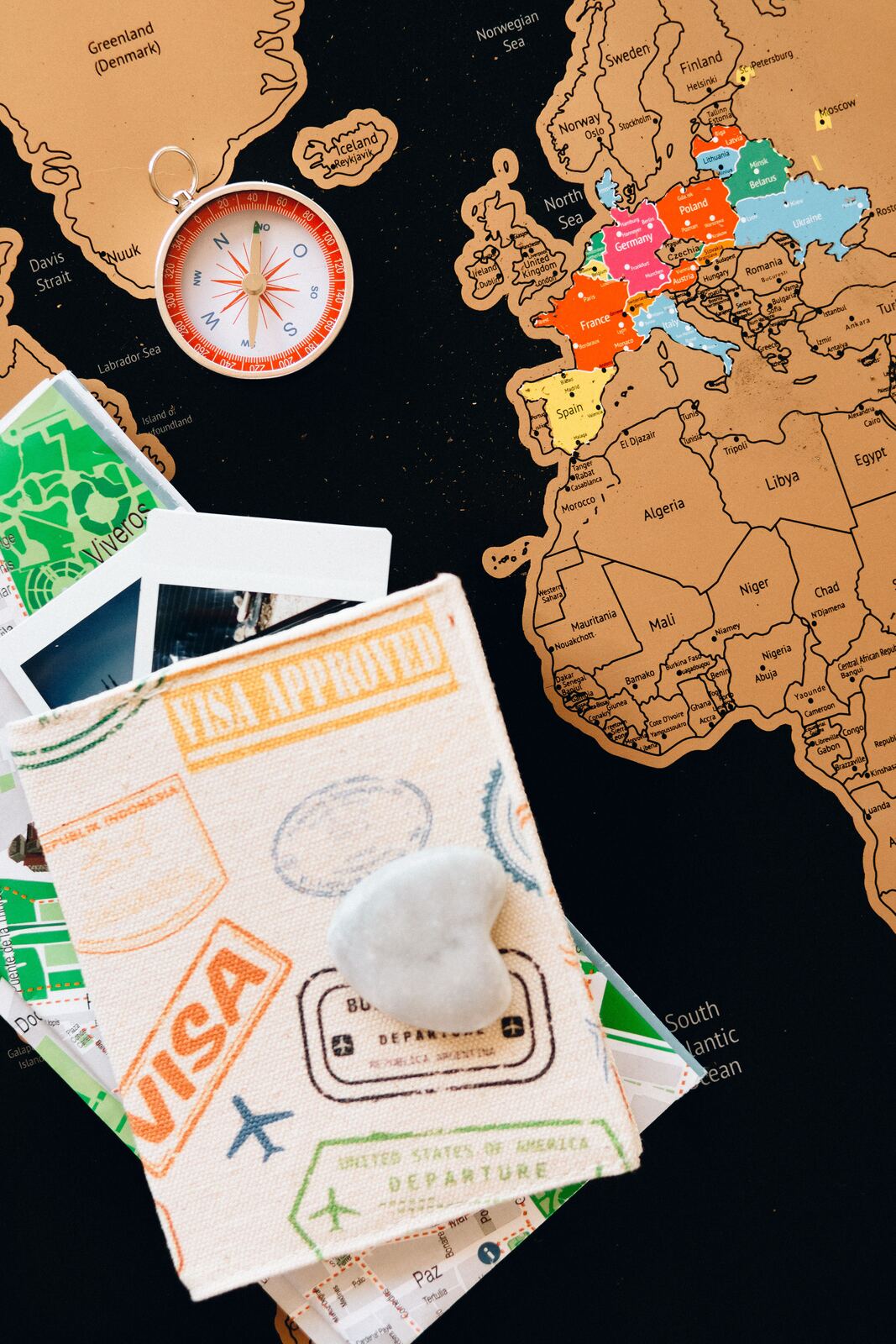
Short answer: for most closed-loop cruises (round-trip from a U.S. port, staying within the Western Hemisphere), U.S. citizens can technically board with a government-issued photo ID plus a certified birth certificate, instead of a passport. For almost everyone, this is still a bad idea, and here's exactly why — plus the cases where a passport isn't optional at all.
Closed-loop cruises: passport not legally required, but still recommended
A "closed-loop" cruise departs from and returns to the same U.S. port, without flying anywhere first. Under the Western Hemisphere Travel Initiative, U.S. citizens on these cruises can present:
- A government-issued photo ID (driver's license or REAL ID), plus
- An original or certified copy of your birth certificate (a photocopy is not accepted).
This applies to itineraries like most Caribbean, Bahamas, and Mexico round-trip cruises from Florida, Texas, or similar home ports.
Why you should bring a passport anyway
The birth certificate option is a legal minimum, not a practical recommendation. If you miss the ship in a foreign port — which happens more often than people expect, usually from underestimating excursion time — you cannot fly home without a passport. Getting an emergency passport from a U.S. embassy abroad takes time and money you don't want to spend mid-vacation. A passport is also required if:
- Your cruise includes a flight to or from the embarkation port (common on transatlantic, Alaska one-way, or repositioning cruises).
- Your itinerary isn't round-trip from the same U.S. port.
- You need to disembark early for a medical or family emergency and fly home from a foreign port.
- You're a non-U.S. citizen — requirements vary significantly by nationality and destination, and you should check both your home country's and the destination's requirements directly.
Requirements by major cruise line
Cruise lines generally follow the same government rules, but each publishes its own required-documents page that's worth checking before final payment, since specifics (which forms of ID qualify, minors' documentation) vary slightly:
| Cruise line | Closed-loop U.S. cruises | Notes |
|---|---|---|
| Carnival | Passport recommended, birth certificate + photo ID accepted | Requires passport for all fly-cruise and one-way itineraries |
| Royal Caribbean | Passport recommended, birth certificate + photo ID accepted | Passport required for cruises calling at ports outside the Western Hemisphere |
| Norwegian Cruise Line | Passport recommended, birth certificate + photo ID accepted | Strongly recommends passport for all guests regardless of itinerary |
| Disney Cruise Line | Passport recommended, birth certificate + photo ID accepted | Requires passport for Castaway Cay-only exceptions do not apply to international ports |
Always confirm on your specific cruise line's official "required travel documents" page for your exact sail date — policies are reviewed periodically and can change.
A dedicated travel document organizer keeps passports, boarding passes, and vaccination or medical paperwork in one place instead of loose in a bag — a small thing that prevents a genuinely stressful moment at the terminal.
Example: Travel document organizer →Passports for children
Minors need their own documentation regardless of age — there's no exception for infants. If traveling with only one parent or with someone other than both legal guardians, most cruise lines and destination countries also expect a notarized consent letter from the non-traveling parent. This is worth sorting out well before your cruise date, since notarization takes time to arrange.
How long does it take to get a passport?
Standard processing has historically run several weeks, with expedited service available for an additional fee and faster turnaround. Given that timelines shift, check the current processing times directly on the official government passport agency site for your country before booking a cruise on a tight timeline.
If your itinerary requires a passport and you're cutting it close on time, or if you want peace of mind against a trip disruption, travel insurance that covers document and travel delays is worth comparing before you sail.
Example: Compare travel insurance →The bottom line
If you're sailing round-trip from the same U.S. port and staying in the Caribbean/Bahamas/Mexico region, a passport isn't legally required — but bring one anyway if you can. If your cruise involves a flight, a one-way itinerary, or ports outside the Western Hemisphere, a valid passport is mandatory, no exceptions.